Permit and regulatory compliance
Measurement data is used to demonstrate compliance with permit conditions, emission limits and site obligations.
Industrial Stack Emission Monitoring
On-site stack testing, source sampling and reporting for permit compliance, process control, engineering review and CEMS support.


Typical Stack Test Campaign
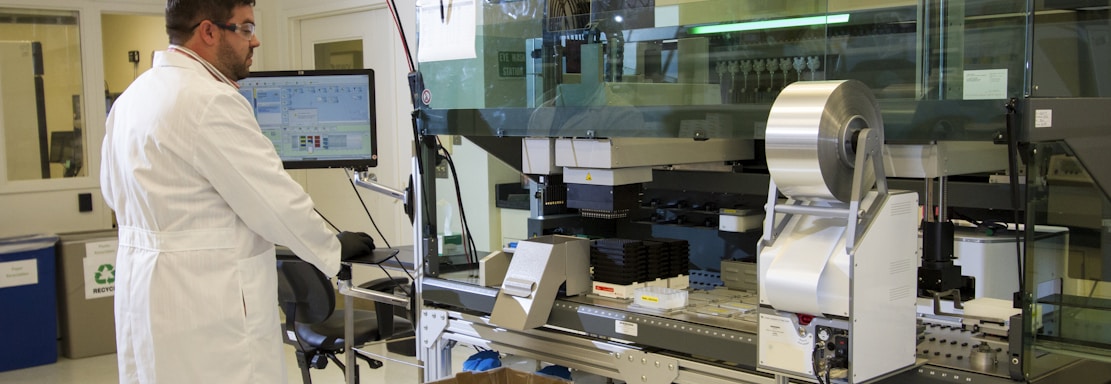
Why Stack Emissions Are Measured
Measurement data is used to demonstrate compliance with permit conditions, emission limits and site obligations.
Operators use stack testing to evaluate the effectiveness of installed abatement and treatment systems.
Representative emission data supports equipment design, process evaluation and technical improvement decisions.
Facilities may also require measurement campaigns to validate or support continuous monitoring systems.
Stack emission monitoring is relevant for production and combustion processes in sectors such as chemicals, petrochemicals, polymers, pharmaceuticals, pulp and paper and other industrial facilities with stationary sources.
The service scope can include stacks, ducts, vents and other fixed emission points where representative sampling and accurate field data are required.
Sampling and analysis procedures should be selected to fit the plant, product and site conditions rather than using a generic one-size-fits-all programme.
Measured Parameters
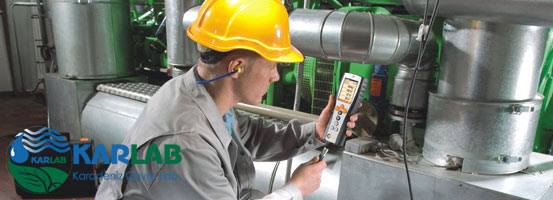
Field Measurement Examples

To evaluate compliance with existing or proposed emission regulations
To obtain engineering data for the design or optimisation of control equipment
To test the efficiency of installed treatment or abatement systems
To provide emission data required for modelling, reporting and environmental review
To support calibration or validation of continuous emission monitoring systems
To quantify losses, deviations or process issues linked to emissions at source
Example industrial logos shown below indicate familiarity with industrial clients and technical service environments.



Certification and accreditation documents are shown together with the service because industrial buyers usually review both before sending an enquiry.


Measurement Programme
Temperature, pressure, moisture, velocity, flow, oxygen and operating condition data are recorded to interpret pollutant results correctly.
Gas, dust, particulate, acid gas, metal and carbon-related parameters are selected according to the source and compliance need.
The final output can include field sheets, analytical results, calculation basis, test conditions and the client report.